
A memorable vacation is not necessarily the one with the most attractions, destinations, or extraordinary activities. Often, it is the journey that leaves you with a particular feeling: the warmth of an unexpected conversation, the satisfaction of doing something personally meaningful, or the freedom to spend an afternoon without checking the time.
Yet planning a holiday can quickly become an exercise in maximizing every available hour. Restaurants need reservations, landmarks demand tickets, and social media creates the impression that every destination comes with an essential checklist. What begins as excitement can turn into an itinerary that leaves little space for genuine enjoyment.
The alternative is not to abandon planning. It is to plan around experiences that matter personally, protect time for discovery, and allow ordinary moments to become meaningful. Whether celebrating a milestone, exploring an unfamiliar city, or escaping everyday routines, a thoughtfully paced holiday can offer something more valuable than a completed sightseeing list: experiences that continue to shape how you remember the journey.
How to make a vacation memorable without doing everything
- Choose three meaningful priorities, including how you want to feel, before deciding which activities deserve your time.
- Build the itinerary around a small number of important experiences and leave deliberate space for rest, discovery, and unexpected encounters.
- Preserve memories through selective photographs, sensory reminders, personal reflections, and meaningful rituals after returning home.
- How to Identify Your Three Non-Negotiable Holiday Priorities?
- Why Trying to Make Every Holiday Moment Perfect Often Backfires
- Why Do Unexpected Encounters Become Our Strongest Holiday Memories?
- How to Plan a Holiday Around a Once-in-a-Lifetime Activity?
- Private Retreat or Group Adventure: Which Suits a Milestone Birthday?
- How to Capture Holiday Highlights Without Spending the Trip Behind a Screen?
- Why Do Holiday Smells and Sounds Trigger Memories Years Later?
- How to Preserve Lasting Travel Memories Beyond Photos and Souvenirs?
How to Identify Your Three Non-Negotiable Holiday Priorities?
Identify your three non-negotiable holiday priorities by listing everything you hope to experience, separating activities from desired feelings, and gradually eliminating less essential wishes. Keep only the three outcomes that would make the journey worthwhile even if other plans changed. This approach makes difficult choices easier before departure and prevents competing expectations from overwhelming the trip.
Begin with an unrestricted wish list. Include everything from visiting a particular landmark to spending uninterrupted time with your partner. Then ask which experiences genuinely reflect your reasons for travelling and which simply seem appealing because they are available.
The most useful distinction is between experience priorities and feeling priorities.
- Experience priorities: Walking a coastal trail, attending a cultural event, learning a local craft, or sharing a special meal.
- Feeling priorities: Feeling adventurous, emotionally connected, rested, independent, or inspired.
Confusing these categories often produces an overloaded itinerary. Someone seeking relaxation may schedule several wellness activities each day, even though the desired feeling might be better achieved through an unscheduled morning. Similarly, a traveller seeking connection may book multiple group excursions when a quiet conversation would better serve that goal.
For every remaining candidate, apply a simple test: “If this is the only thing that goes well, would the trip still feel worthwhile?” A convincing answer suggests a genuine priority. Otherwise, the activity probably belongs on an optional list.
Companions should complete this exercise individually before comparing answers. Each person can then explain their top three choices, the feeling behind them, and where they are willing to compromise. This conversation makes hidden assumptions visible before they become disagreements during the holiday.
Your five-step holiday priority checklist
- Write an unrestricted wish list. Create one document containing every activity, place, and experience you are considering.
- Identify the feelings behind your wishes. Add a short emotional goal beside each activity, such as freedom, connection, or accomplishment.
- Reduce the list to three essentials. Mark exactly three priorities that pass the worthwhile-trip test.
- Compare expectations with companions. Record the priorities everyone shares and any differences requiring an agreement.
- Create a flexible planning brief. Save one page listing the three essentials, optional activities, and time deliberately reserved for rest.
The purpose of prioritizing is not to eliminate curiosity. It is to protect the experiences and feelings that matter most while allowing other possibilities to remain optional. With those boundaries established, the next challenge is resisting the pressure to make every moment exceptional.
Why Trying to Make Every Holiday Moment Perfect Often Backfires
Trying to make every holiday moment perfect often backfires because it turns enjoyment into an obligation. An excessively detailed itinerary creates expectations that ordinary disruptions cannot satisfy, while constant comparisons with idealized experiences make simple pleasures seem insufficient. A more flexible approach allows important highlights to stand out naturally and makes unexpected changes easier to appreciate.
Imagine a holiday filled with spectacular viewpoints, highly rated restaurants, and meticulously timed activities. Even when everything goes according to plan, constant stimulation can become exhausting. Without quieter periods, there may be little opportunity to reflect on what made a particular experience special.
Contrast helps provide perspective. A peaceful afternoon following an adventurous morning can make the adventure feel more distinctive. Likewise, a simple meal in an unfamiliar neighbourhood may become unexpectedly meaningful precisely because it was not designed to be extraordinary.
The problem intensifies when planning becomes rigid. A delayed train, unexpected rainstorm, or closed attraction can feel like a personal failure rather than a normal part of travel. Strict schedules also create cascading disruptions: one late activity puts the next reservation at risk.
A practical alternative is planned spontaneity. For a flexible leisure trip, consider scheduling no more than one major commitment per day and treating everything else as adjustable. This is a planning guideline, not a universal rule; some activities require fixed departure times, guided access, or more structured arrangements.
For example, a morning museum reservation might be followed by an open afternoon for exploring nearby streets, resting, or following a recommendation from someone you meet. The scheduled experience provides direction without controlling the entire day.
Social media adds another layer of pressure. Photogenic locations can become targets to collect rather than places to experience. Before adding an activity, ask whether it would still appeal if nobody else ever saw a photograph of it. The answer often reveals the difference between personal meaning and external validation.
A memorable vacation needs moments of discovery, not uninterrupted excellence. Once every hour stops being treated as something to optimize, unexpected experiences have a better chance of finding their way into the journey.
Why Do Unexpected Encounters Become Our Strongest Holiday Memories?
Unexpected encounters can become powerful holiday memories because they interrupt familiar patterns and invite closer attention. Meeting someone interesting, discovering an unfamiliar tradition, or accepting a spontaneous recommendation can combine novelty with personal emotion. Research suggests that novelty can support memory under certain conditions, although an unplanned encounter is not automatically more memorable than a scheduled activity.
Consider two experiences during an otherwise enjoyable holiday: a carefully arranged sightseeing tour and an unexpected conversation with a market vendor who shares a family recipe. The tour may be fascinating, but the conversation could become the story retold long after returning home because it felt surprising, personal, and difficult to reproduce.
A scientific review of novelty and memory in humans, published in Heliyon in 2023, examined evidence that unfamiliar experiences can influence later recall. Its conclusions were nuanced: potential memory benefits depend on circumstances such as timing and engagement, and novelty can sometimes distract rather than help.
This makes unexpected encounters a promising ingredient in memorable travel, not a psychological guarantee. Meaningful interactions depend on context, mutual interest, personal comfort, and whether travellers have the time to notice what is happening around them.
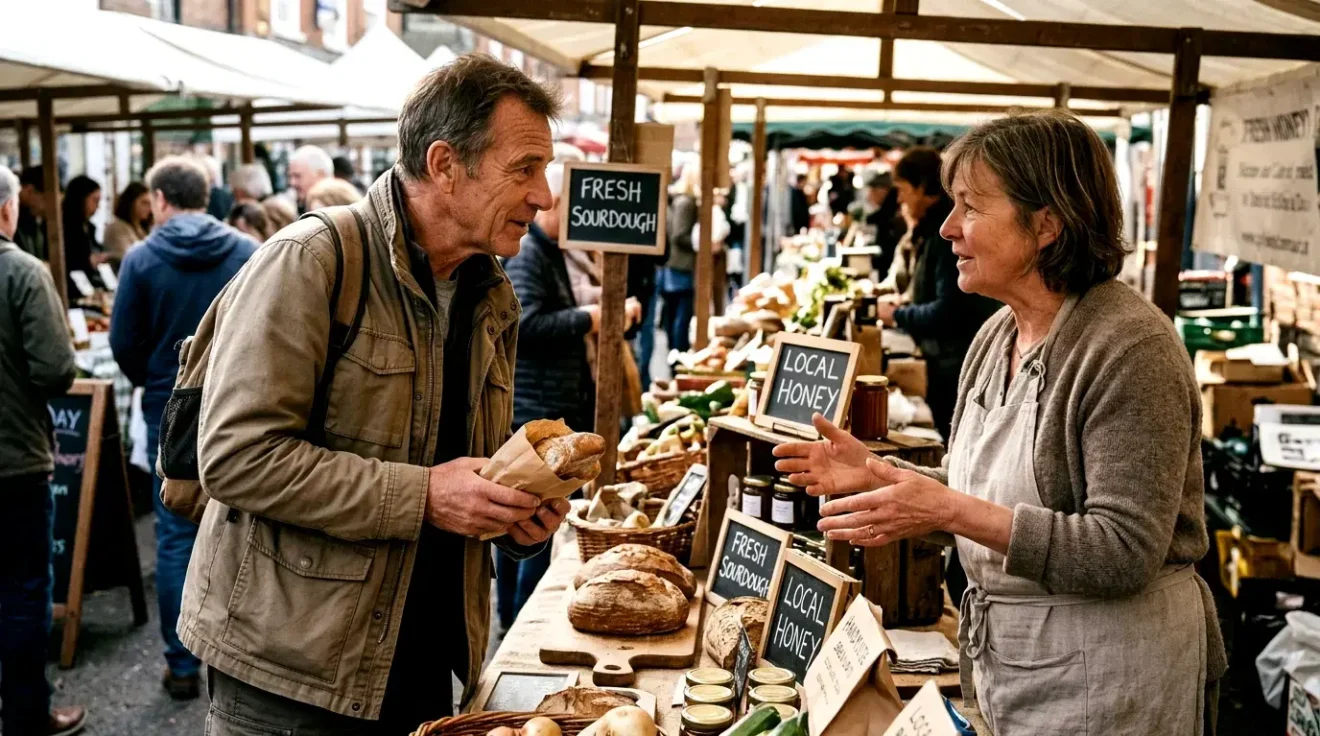
Although serendipity cannot be scheduled, its conditions can be encouraged. Choosing accommodation near walkable neighbourhoods, visiting community markets, spending time in independent cafés, or joining a shared activity may create opportunities for natural interaction. These settings do not guarantee meaningful encounters, but they offer alternatives to spending every hour moving between isolated attractions.
Unstructured time is equally important. Leave an afternoon open to revisit a favourite street, explore a recommendation, or simply remain somewhere longer than expected. A traveller who discovers a small bakery might receive a suggestion for a nearby walk or cultural event that was never part of the original itinerary.
Unexpected experiences also have storytelling potential. A missed connection that led to a delightful conversation may become more distinctive in personal recollection than several similar scheduled visits. This depends on the individual and the emotional significance of the events, rather than on surprise alone.
Keep safety and personal boundaries intact. Spontaneity does not require accepting invitations from strangers, entering unfamiliar situations without preparation, or abandoning essential travel arrangements.
The most rewarding surprise is not necessarily dramatic. Sometimes, it is a small moment of connection that changes how a destination feels. When a holiday also includes one major personal ambition, that same openness can exist around a carefully protected centerpiece.
How to Plan a Holiday Around a Once-in-a-Lifetime Activity?
Plan a holiday around a once-in-a-lifetime activity by choosing one experience that reflects your deepest personal priorities, securing its essential arrangements, and designing the rest of the trip to support it. Leave sufficient time for arrival, preparation, recovery, and unexpected changes. The objective is not to surround a major experience with more highlights, but to give it the attention it deserves.
The anchor-and-orbit planning model offers a straightforward structure. Your anchor is the experience you most want to remember. Everything orbiting around it, including accommodation, transportation, meals, and optional excursions, should make that experience easier or more enjoyable.
For example, imagine a traveller planning a hypothetical journey to see a spectacular natural landscape. Rather than moving between several distant regions, they could stay near the chosen location, allow time for suitable weather, and reserve quieter periods before and after the main excursion.
Protecting the anchor requires more than booking a ticket. Consider arrival fatigue, jet lag, physical demands, transport reliability, seasonal conditions, and any safety or access requirements. If the activity depends on weather or an external operator, examine the relevant cancellation and rescheduling terms before committing.
A demanding adventure may justify a relaxed following day. Similarly, an emotionally significant celebration can lose some of its impact when immediately followed by another complicated commitment.
The choice of anchor should emerge from your priorities, not from the popularity of a bucket-list destination. A private music lesson, a reunion with relatives, or a carefully chosen walking route may be more personally meaningful than a widely advertised adventure.
Anticipation can also become part of the pleasure. A Psychological Science study on anticipating experiences, published in 2014, reported across four studies that anticipating experiential purchases generally produced more happiness than anticipating material purchases.
This finding does not mean that longer itineraries or more intensive preparation improve a holiday. Instead, travellers can enjoy the lead-up by learning about the experience, discussing what it means to them, or preparing thoughtfully without attempting to control every detail.
Afterward, allow time to reflect. A conversation over dinner, a short journal entry, or a quiet evening can help give a significant experience personal context rather than allowing it to disappear into the next activity.
Not every milestone calls for a dramatic expedition. Sometimes the central experience is a birthday celebration, and the most important planning decision concerns who should share it.
Private Retreat or Group Adventure: Which Suits a Milestone Birthday?
A private retreat generally suits someone who values introspection, personal freedom, and meaningful time away from everyday demands. A group adventure may be better for someone energized by shared experiences, collective celebration, and companionship. For a milestone birthday, the right choice depends less on how impressive the activities appear and more on the memory the celebrant wants to carry into a new life chapter.
A significant birthday often symbolizes transition. It may represent a fresh beginning, the recognition of personal achievements, or a desire to reconnect with important relationships. This symbolic purpose can matter more than the number of destinations visited.
Before deciding, consider how the person feels about attention, schedules, and social energy. Someone who enjoys companionship may still dislike being the focus of a large celebration, while a usually outgoing person might welcome a few days of solitude.
The following comparison can help clarify the trade-offs.
| Decision factor | Private retreat | Group adventure |
|---|---|---|
| Personal energy | Suited to quiet reflection and individual space | Suited to shared excitement and companionship |
| Attention preferences | Allows a discreet, personal celebration | Creates opportunities for collective recognition |
| Schedule flexibility | Easier to adapt around individual wishes | Requires coordination and compromise |
| Emotional focus | Personal growth, rest, or reconnection with oneself | Shared stories, relationships, and collective memories |
| Main challenge | Potential loneliness if companionship is important | Logistical responsibilities and competing expectations |
Group celebrations involve hidden coordination costs. Different budgets, energy levels, interests, and travel preferences can create pressure on the person whose birthday is being celebrated. Without clear agreements, the celebrant may become the organizer rather than the guest of honour.
A useful compromise is a hybrid celebration. The traveller might spend several days at a quiet retreat before welcoming friends for a shorter shared adventure. Another possibility is to divide the holiday into phases, spending one with a partner or close family and another with a wider circle of friends.
These arrangements can match different relationships and emotional needs without requiring everyone to participate in every activity.
For any format, ask the celebrant to complete one sentence: “When I remember this birthday years from now, I want to remember…” The response may reveal that intimacy, courage, freedom, or togetherness matters more than an elaborate programme.
A successful milestone holiday feels personally significant, not merely impressive to others. Once the experience has been chosen, protecting attention during the trip becomes just as important as choosing where to go.
How to Capture Holiday Highlights Without Spending the Trip Behind a Screen?
Capture holiday highlights without losing the experience by keeping documentation brief, intentional, and personally meaningful. Choose a few photographs, record short reflections, and avoid interrupting important moments solely to create content. The goal is to preserve enough detail to remember how the trip felt, rather than collecting a complete visual record of everything that happened.
Travel documentation often serves two different purposes: sharing experiences with others and preserving them for yourself. Real-time social posting can involve selecting images, writing captions, monitoring reactions, and checking a device repeatedly. Personal memory preservation usually needs much less material.
Before photographing a moment, ask whether the image will help you remember something meaningful or whether the impulse comes mainly from wanting to share it immediately.
Research suggests that photographing can sometimes affect what people remember. In an original Psychological Science study on photo-taking and memory, psychologist Linda A. Henkel found that participants photographing entire museum objects remembered fewer objects and details than participants who simply observed them.
However, the same research found that focusing the camera on specific details did not produce the same impairment. These results come from controlled museum-tour experiments, not from a comprehensive study of vacation photography. They suggest that the manner of photographing matters, rather than proving that cameras inevitably damage memories.
A useful practical guideline is experience first, capture second. Allow yourself to observe the atmosphere, participate in the activity, or finish the conversation before deciding whether a photograph would add value. This is a mindful travel habit, not an experimentally established universal rule.
Low-effort alternatives can preserve context without requiring continuous recording:
- One-line daily journal: Write down the moment that surprised or moved you most.
- One deliberate photograph: Choose a representative image when a smaller collection suits your preferences.
- Thirty-second voice note: Capture a spontaneous thought, feeling, or story in your own words.
- Brief personal caption: Record why a particular scene mattered instead of describing only what it shows.
These methods are practical options, not scientifically proven replacements for more extensive documentation. The best approach depends on your habits, the kind of trip, and what you hope to remember.
Within a few days of returning home, consider selecting a small collection of highlights. Add a sentence to each photograph or recording explaining what happened, who was involved, and why the moment mattered. The annotations provide context that images alone may not preserve.
Photographs and notes can preserve valuable details, but memory is not exclusively visual. Sounds, scents, tastes, and familiar atmospheres can also reconnect travellers with the places they visited.
Why Do Holiday Smells and Sounds Trigger Memories Years Later?
Holiday smells and sounds can trigger memories because sensory cues become associated with personal experiences and emotional contexts. Encountering a familiar scent or hearing a recognizable sound may bring elements of a journey back to mind without deliberate searching. Evidence is particularly informative for smell, although sensory cues do not universally produce stronger or more vivid memories than photographs.
Imagine returning home from a coastal holiday and later encountering the fragrance of a particular herb used in a memorable meal. The scent might bring back the restaurant, the conversation, or the atmosphere surrounding that evening.
Smell has particularly close functional relationships with brain systems involved in emotion and memory. Sound also participates in associative memory, although the evidence for odor-evoked recollection should not automatically be applied to sound recordings.
A 2026 meta-analysis of odor-evoked autobiographical memory, published in Psychonomic Bulletin & Review, examined 18 experimental or quasi-experimental studies involving 1,330 participants.
18 studies · 1,330 participants
The 2026 meta-analysis found small, statistically significant advantages for odors in the emotional intensity and pleasantness of autobiographical memories compared with other sensory cues. It did not establish a consistent overall advantage for vividness, specificity, or rarity.
Bobei, Cîrneci and Podina, Psychonomic Bulletin & Review, 2026.
These findings help explain why a familiar scent might evoke a strongly emotional recollection. They do not show that collecting sensory souvenirs guarantees stronger travel memories or that scents always outperform photographs.
Nevertheless, sensory reminders offer a thoughtful way to connect a holiday with everyday life. Consider collecting small, meaningful associations rather than purchasing numerous conventional souvenirs:
- A locally purchased spice associated with a memorable meal, subject to applicable customs and food-import rules.
- A short recording of a public soundscape, made with consideration for privacy and local restrictions.
- A playlist of music genuinely encountered during the journey.
- A written description of the sounds, smells, and atmosphere surrounding an important moment.
A sensory album can bring these elements together. For each memorable experience, record the place, the predominant sound, a distinctive scent, and the emotion associated with it. After returning, revisit the notes alongside photographs or journal entries.
Slow, immersive experiences provide opportunities to notice such details. A relaxed meal or a quiet walk may reveal sensory features that could be missed during a rushed visit. This is a reason to make room for attention, not proof that slower travel always produces longer-lasting memories.
Sensory reminders can reopen a memory, but they do not necessarily explain why it mattered. Transforming recollections into lasting personal meaning requires reflection on the experiences themselves.
What matters most when a holiday becomes a memory
- Preserve the emotional context of your favourite moments, not just their locations or visual appearance.
- Choose reminders that connect to specific people, conversations, decisions, or personal discoveries.
- Use the return home as an opportunity to carry something meaningful from the journey into everyday life.
How to Preserve Lasting Travel Memories Beyond Photos and Souvenirs?
Preserve lasting travel memories by reflecting on what the journey meant, sharing significant stories, and incorporating meaningful discoveries into everyday life. Photographs and souvenirs can provide reminders, but personal writing, conversations, and continuing relationships can help sustain the experiences behind them. A short reflection soon after returning is a practical way to record context before smaller details become harder to recall.
Travel memories change over time. Some details become less accessible, while particularly meaningful or frequently revisited experiences may remain easy to remember. There is no single timetable for this process, and not every recollection fades in the same way.
Rather than attempting to preserve every moment, select a few experiences that represent the holiday’s emotional significance. Consider what surprised you, which relationships mattered, and whether the trip changed your perspective on anything.
Several reflective formats can serve different purposes:
- A post-trip letter to yourself: Describe how you felt during the journey, what you discovered, and what you want your future self to remember.
- A storytelling evening: Invite travel companions to share their favourite moments, including experiences that others may remember differently.
- A highlights-and-lessons page: Record a small number of meaningful experiences and explain what each contributed to your understanding of yourself or the world.
- A personal memory collection: Combine selected photographs, tickets, brief notes, and sensory reminders, with a story attached to each item.
These practices can make remembering more intentional without turning reflection into another demanding task.

For a meaningful post-trip reflection, ask three questions: Which moment best represented what I wanted from this holiday? What did I learn about myself or someone else? What would I like to bring into my ordinary routine?
The final question connects memory with personal identity. A traveller who enjoyed cooking with local ingredients might continue preparing a dish discovered abroad. Someone who formed a meaningful friendship could maintain that connection. A person who experienced the pleasure of unhurried mornings might introduce a similar weekly ritual at home.
Such actions do not guarantee permanent memories, but they create ongoing opportunities to revisit what the trip represented.
Physical souvenirs can also play a role when they carry a specific personal story. A concert ticket, a handwritten note, or a small ethically acquired keepsake may become more meaningful than a large collection of unrelated purchases. Their value comes from association, not quantity or price.
Be selective rather than rigid. Some travellers enjoy detailed albums, while others prefer a short letter or a conversation. The essential question is whether the chosen format helps you reconnect with the experience rather than merely store evidence that it happened.
Before planning your next vacation, write down three feelings you want to carry home, choose one experience that could embody them, and leave space for the unexpected. A journey does not need to contain everything to become a lasting part of your life.
How many activities should you plan each day on a relaxing vacation?
For a flexible leisure holiday, one major scheduled activity per day can be a useful starting point, leaving room for meals, rest, and unexpected discoveries. This is a practical guideline rather than a scientifically established limit. Adjust it according to travel distances, accessibility needs, fixed reservations, personal energy, and the purpose of the trip.
Can a short vacation be as memorable as a longer trip?
Yes. A short vacation can be highly meaningful when it includes experiences that align with personal priorities. A weekend spent reconnecting with someone important or trying a long-desired activity may carry lasting emotional value. Longer journeys offer different opportunities, but duration alone does not determine how significant a trip becomes.
What should you do if an important holiday activity gets cancelled?
First, check available rescheduling or refund options and any relevant safety considerations. Then return to the underlying purpose of the activity. If the original plan was meant to create adventure, connection, or relaxation, a different experience might still serve that goal. Disappointment is natural, particularly when a major milestone or long-awaited ambition is involved, and a replacement does not have to feel equivalent immediately.
Is it better to travel alone or with companions for a meaningful experience?
Neither option is universally better. Solo travel can provide independence, reflection, and opportunities to follow personal interests. Travelling with companions can create shared memories and deepen relationships. The better choice depends on the emotional purpose of the holiday, comfort with solitude, desired social interaction, and how much flexibility each person needs.
How can you keep travel memories meaningful without creating an elaborate scrapbook?
Choose a few personally significant moments and record a sentence about why each mattered. A short letter, an annotated photo collection, or occasional conversations with travel companions can provide ways to revisit the experience. Recreating a favourite recipe, listening to music associated with the journey, or maintaining a friendship formed abroad can also help keep its personal meaning present.