Blog
Travel has never been more accessible, yet planning a trip can still feel overwhelming, especially for those setting off with limited experience. Between flights, accommodation, itineraries, budgets, and travel documents, the number of decisions can quickly pile up. This blog category exists to make that process simpler. Here you will find clear, practical guidance on how to plan trips, choose destinations, manage your budget, and travel with confidence, whether you are preparing a weekend getaway or a months-long adventure across English-speaking countries.
The articles in this category are written for beginners and intermediate travelers alike. No prior knowledge is required: every concept is explained step by step, with concrete examples and actionable advice you can apply immediately.
Why a Travel Blog Still Matters in the Age of Instant Information
With review platforms, social media, and booking sites at everyone’s fingertips, some travelers wonder whether blogs are still relevant. The answer is yes, and for a simple reason: a good travel blog does not just list options, it explains how things connect. Knowing that a budget airline exists is one thing; understanding how its baggage rules affect your total cost is another.
A structured blog helps you:
- Understand the logic behind good travel decisions, not just copy someone else’s itinerary;
- Avoid common pitfalls such as hidden fees, visa misunderstandings, or overpacked schedules;
- Build transferable skills you can reuse on every future trip;
- Get context that short-form content rarely provides, such as seasonal patterns, regional differences, and local customs.
Think of it this way: social media shows you the highlight, while a well-written article explains the path that leads there.
Choosing a Destination That Matches Your Travel Style
The first step of any trip is deciding where to go, and this is where many travelers get stuck. A useful approach is to start with your own constraints and preferences rather than with a list of famous places.
Three Questions to Narrow Down Your Options
- How much time do you have? A long weekend suits destinations reachable within a few hours of travel, while a two-week window opens the door to long-haul trips.
- What is your realistic budget? Include transport, accommodation, food, activities, and a buffer for the unexpected.
- What kind of experience are you seeking? Relaxation, culture, nature, food, adventure, or a mix of several?
Consider a fictional example: Maya, a first-time traveler with ten days of vacation and a moderate budget, dreams of New Zealand. The flight alone would consume a large share of her budget and two days of her time each way. A destination like Portugal, Ireland, or a road trip along the US Pacific Coast could deliver a similarly rich experience without the long-haul cost. That does not mean New Zealand is off the table forever; it simply belongs to a different trip category, one requiring more time and savings.
Timing Matters as Much as the Destination
Shoulder seasons, the periods just before and after peak season, often offer the best balance between pleasant weather, smaller crowds, and reasonable prices. In many English-speaking destinations, late spring and early autumn are particularly favorable. Traveling during school holidays, by contrast, usually means higher prices and busier attractions, so families should plan those periods well in advance while solo travelers may prefer quieter windows.
Building a Travel Budget That Actually Holds Up
A realistic budget is the backbone of a stress-free trip. The most common mistake is underestimating small recurring costs: coffees, local transport, museum entrances, tips, and service fees. Individually they look insignificant; over a week they can add up to a meaningful share of your total spending.
A simple framework works for most trips:
- Fix the big items first: flights or other long-distance transport, and accommodation. These are usually the largest expenses and the ones that rise if you book late.
- Estimate daily costs: food, local transport, and activities. Research average prices for your destination and multiply by the number of days.
- Add a buffer: set aside roughly ten to fifteen percent of your total for surprises, whether a missed connection, a medical expense, or an unmissable local experience.
Analogies help here: your travel budget is like a packing list for money. The big items are your suitcase, the daily costs are your clothes, and the buffer is the spare space you leave just in case. Travelers who skip the buffer are the ones who come home stressed about their bank account.
Money Practicalities in English-Speaking Countries
Payment habits differ noticeably between countries. Card payments are widely accepted in the United States, Canada, the United Kingdom, and Australia, but cash remains useful in rural areas, small cafés, and at markets. Tipping is another frequent point of confusion: in the United States, tipping around fifteen to twenty percent in restaurants is standard practice, while in the United Kingdom or Australia it is appreciated but less systematic. Checking local norms before departure avoids both awkward moments and unintentional overspending.
Planning an Itinerary Without Overloading It
One of the most valuable skills a traveler can develop is knowing when to stop planning. An overloaded itinerary, three cities in five days, six museums in two days, is the fastest route to exhaustion. A useful rule of thumb is to plan one anchor activity per day and let the rest of the day breathe.
A balanced day might look like this:
- Morning: one major sight or activity, booked in advance when reservations are required;
- Afternoon: flexible exploration, wandering a neighborhood, visiting a market, or simply resting;
- Evening: a relaxed meal or a local event, without strict timing.
Leaving room for spontaneity is not poor planning; it is what allows serendipity, the chance encounters and unexpected discoveries that travelers remember most. A rigid schedule turns a trip into a checklist, while a flexible one turns it into an experience.
Packing Smart: Less Is Genuinely More
Packing is where beginner travelers most often overcomplicate things. The essential principle is simple: pack for a week, whatever the trip length, and do laundry if needed. Most experienced travelers agree that a smaller bag improves the entire journey, easier transfers, fewer checked-baggage fees, and less to keep track of.
A reliable packing approach:
- Choose versatile clothing in neutral colors that mix and match easily;
- Prioritize comfortable, broken-in shoes over new ones;
- Keep documents, medication, and one change of clothes in your carry-on;
- Check the weather pattern of your destination and pack for its variation, not its best-case scenario;
- Verify power outlet types and voltage if you travel with electronics.
A good habit is to lay everything out before packing, then remove a third of it. In practice, you will rarely miss what you left behind, and you will appreciate the lighter load every single day.
Travel Documents, Health, and Safety Essentials
Administrative preparation is rarely exciting, but it is what keeps a trip smooth. Depending on your nationality and destination, requirements may include passport validity rules, visas or electronic travel authorizations, and proof of onward travel. Regulations in force change periodically, so always confirm current requirements with official government sources before booking.
Before departure, a short checklist:
- Check your passport expiration date, many countries require several months of validity beyond your return date;
- Confirm visa or travel authorization requirements well in advance;
- Arrange appropriate travel insurance, particularly for medical coverage abroad;
- Consult a travel health professional if vaccinations or precautions are recommended for your destination;
- Save digital copies of key documents in a secure, accessible location.
These steps take little time and prevent the most stressful category of travel problems, the kind that can stop a trip before it starts.
Traveling Responsibly and Respectfully
Modern travelers are increasingly aware of their impact, and rightly so. Responsible travel is not about perfection; it is about small, consistent choices that respect the places and communities hosting you.
Concrete habits include:
- Supporting local businesses, family-run restaurants, independent shops, and local guides;
- Learning a few words of the local language, even in English-speaking countries, regional expressions and greetings go a long way;
- Respecting rules at natural sites: staying on marked trails, following wildlife guidance, and carrying out what you carry in;
- Asking before photographing people, and accepting a refusal gracefully;
- Being mindful of water and energy use, especially in regions where resources are strained.
Respectful travelers tend to have richer experiences, too. Locals respond warmly to visitors who show genuine interest, and those interactions often become the highlight of a trip.
What You Will Find in This Category
The articles published here follow a simple philosophy: explain clearly, stay practical, and never lose sight of the reader’s real questions. Upcoming and existing content covers themes such as:
- Destination deep dives across English-speaking countries, from national parks to city breaks;
- Step-by-step trip planning workflows, from first idea to departure day;
- Budget travel techniques that do not sacrifice comfort or safety;
- Family travel, solo travel, and first-time international trips;
- Packing methods, transport comparisons, and accommodation choices.
Every article is designed to stand on its own while connecting naturally to the others, so you can read selectively or follow the category as a progressive learning path.
Final Thoughts: Start Small, Learn Fast, Travel Often
Travel is a skill, and like any skill it improves with practice. You do not need a perfect plan, expensive gear, or years of experience to begin. You need a destination that fits your constraints, a budget with a buffer, a flexible itinerary, and the willingness to adapt when things do not go exactly as expected, because they rarely do, and that is often where the best stories come from.
Use this category as your starting point. Read the articles relevant to your next step, apply what resonates with your style of travel, and let each trip prepare you for the next one. The confidence you are looking for is not found before the first journey; it is built by it.
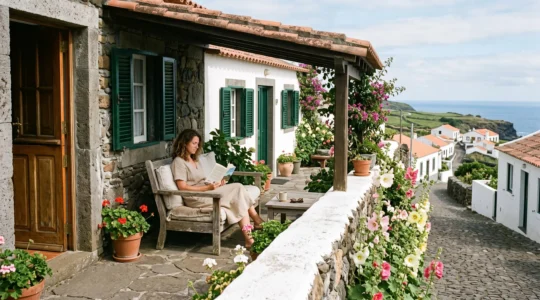
Why Is Privacy the Ultimate Luxury on an Île de Ré Holiday?
Privacy is the ultimate luxury on an Île de Ré holiday because it is the hardest thing to “add on” once peak season arrives. You can often find polished interiors or good restaurants in many seaside places; finding real quiet…
Lire la suite
Why Tootbus offers one of the best sightseeing experiences among Paris bus tours
Choosing among the many Paris bus tours can be challenging, especially for first-time visitors who want to make the most of their time in the French capital. Tootbus combines flexible hop-on hop-off sightseeing, themed experiences, multilingual audio commentary, family-friendly options…
Lire la suite
London bus tours: discover the city’s iconic landmarks in comfort
Exploring London’s rich history and vibrant culture is an adventure like no other. The city’s iconic landmarks, from centuries-old buildings to modern marvels, tell the story of a metropolis that has shaped world events for generations. For visitors and locals…
Lire la suite
Explore cities at your own pace with a hop-on hop-off bus
Discovering a new city can be an exhilarating experience, but it often comes with the challenge of navigating unfamiliar streets and planning an efficient itinerary. Enter the hop-on hop-off bus tour – a revolutionary way to explore urban landscapes that…
Lire la suite
Combine comfort and conscience with an eco-responsible Paris bus tour
Paris, the City of Lights, has long been a beacon of culture, art, and romance. However, in recent years, it has also emerged as a leader in sustainable urban tourism. As travelers become increasingly conscious of their environmental impact, the…
Lire la suite
How to choose the perfect typical wine?
Selecting the ideal wine can be a daunting task, especially with the vast array of options available. Whether you’re a novice enthusiast or a seasoned connoisseur, understanding the nuances of wine selection is crucial for enhancing your culinary experiences and…
Lire la suite
The story of an emblematic dish, from kitchen to table
Emblematic dishes are more than just food; they are cultural ambassadors, telling stories of tradition, innovation, and the human experience. These culinary icons embody the essence of a region’s history, climate, and social fabric. From the humble beginnings in a…
Lire la suite
Discover comfort and eco-responsibility with green accommodation
The hospitality industry is undergoing a transformative shift towards sustainability, with green accommodations leading the charge. These eco-friendly lodgings offer travelers the perfect blend of comfort and environmental responsibility, allowing guests to enjoy their stay while minimizing their ecological footprint….
Lire la suite
Sustainable mobility tips for eco-friendly explorers
As environmental consciousness grows, sustainable mobility has become a cornerstone of eco-friendly travel. Modern explorers are increasingly seeking ways to minimize their carbon footprint while satisfying their wanderlust. From electric vehicles to pedal-powered adventures, the landscape of green transportation is…
Lire la suite
Experience nature authentically through rural ecotourism
Rural ecotourism offers a unique opportunity to connect with nature and local communities while promoting sustainable travel practices. This growing sector of the tourism industry combines conservation efforts, cultural preservation, and economic development in rural areas. By choosing rural ecotourism…
Lire la suite