Hotels and accommodation
Where you sleep shapes how you travel. A well-chosen room can turn a tight layover into a restful pause, while a poorly located one can add an hour of commuting to every day of your trip. Yet accommodation is also one of the most confusing parts of travel planning: prices fluctuate wildly, star ratings mean different things in different countries, and the line between a hotel, a motel, and a vacation rental is blurrier than ever.
This page breaks down the main types of lodging, explains how pricing and ratings actually work, and gives you a practical framework for choosing the right place to stay, whether you’re booking a weekend city break in Chicago or a two-week road trip along the Atlantic coast.
What Counts as Accommodation?
Accommodation is any establishment that provides travelers with a place to sleep, usually for a nightly fee. The term covers an enormous spectrum: from a bunk bed in a shared hostel dorm to a private villa with a pool and a housekeeper. What they all have in common is a temporary stay — typically anywhere from one night to several weeks — as opposed to residential or long-term leases.
For travelers, the practical difference between these options usually comes down to three factors: price, location, and level of service. Understanding how each type of lodging performs on those three axes is the first step toward booking smarter.
The Main Types of Accommodation
Hotels
Hotels remain the reference point. They typically offer private rooms with en-suite bathrooms, daily housekeeping, a front desk staffed around the clock, and amenities that range from simple Wi-Fi to pools, gyms, restaurants, and business centers. In the United States and Canada, hotel pricing often excludes taxes at first glance, so the final bill can be noticeably higher than the advertised rate once state and local taxes, and sometimes resort fees, are added.
Hotels suit travelers who value predictability: you know what you’re getting, there is staff to solve problems, and booking and cancellation policies are usually clear.
Motels and Inns
Motels are designed around road travel. Rooms open directly onto a parking area, check-in can be minimal, and prices tend to be lower than city-center hotels. They’re ideal for road trips across the United States, where you may not know exactly where you’ll stop each night. Inns and bed-and-breakfasts, often family-run, add a more personal touch, sometimes with breakfast included and a host who knows the area well.
Hostels
Hostels are no longer just for backpackers on a shoestring. Modern hostels, especially in major cities across the US, Australia, and the UK, offer private rooms alongside traditional dorms, coworking spaces, and organized social events. The core advantage is cost: a dorm bed often costs a fraction of a hotel room in the same city. The trade-offs are shared bathrooms, noise, and less privacy, though private hostel rooms soften most of these.
Vacation Rentals and Short-Term Apartments
Platforms for short-term rentals have made it normal for travelers to stay in someone’s apartment or house. These options shine for longer stays, families, and groups: you get a kitchen, more space, and often a lower cost per person than multiple hotel rooms. However, quality varies enormously because each property is individually managed. Before booking, it’s worth checking cleaning fees, strict check-in windows, and whether the listing is a full property or a room within someone’s home.
Boutique and Design Hotels
Boutique properties are smaller, independently styled hotels that emphasize character over scale — think a converted fire station in Portland or a restored townhouse in Charleston. They usually charge more than chain hotels for similar room sizes, but they offer a sense of place that standardized properties struggle to match.
Resorts and All-Inclusive Properties
Resorts bundle lodging with activities, dining, and entertainment in one location, often in coastal destinations like Florida, the Caribbean, or Hawaii. All-inclusive models — common in the Caribbean and Mexico — bundle meals and drinks into one upfront price, which makes budgeting simple. The trade-off is that they encourage you to stay on-site rather than explore the surrounding area.
How Hotel Pricing Actually Works
Accommodation prices are far more dynamic than airfare-seat analogies suggest. Rates for the same room can change several times a day based on demand, local events, and how full the property already is. A few practical consequences follow from this:
- Events move prices more than seasons do. A modest hotel can triple its rates during a conference, a major sports game, or a festival weekend, even in the off-season.
- Flexible dates give you leverage. Shifting a stay by one or two nights can change the price significantly, especially over weekends.
- Location is priced in. A room two subway stops from downtown is often 30 to 50 percent cheaper than one in the core — factor in transit costs and time before assuming it’s a bargain.
- Refundable rates cost more upfront but protect you if plans change, which is often worth the difference for long trips.
A useful mental model: accommodation pricing is like a taxi meter that runs on demand rather than distance. The same room is a different product every night.
Understanding Ratings, Stars, and Reviews
Star ratings are not standardized internationally. A three-star hotel in one country can feel like a four-star in another, because rating systems measure facilities (an elevator, a restaurant, room service) rather than quality. Online review scores, usually on a scale out of five or ten, are generally more useful because they reflect recent guest experiences.
When reading reviews, look for patterns rather than isolated complaints:
- Repeated mentions of noise, cleanliness, or safety deserve weight; a single bad review about a slow elevator probably doesn’t.
- Pay attention to reviews from travelers similar to you — a business traveler and a family with toddlers value very different things.
- Check how management responds to negative feedback. A thoughtful, concrete reply is a good sign of how problems are handled.
- Look at the most recent reviews first, since ownership and management can change.
How to Choose the Right Place to Stay
With dozens of options for any given city, a simple decision process helps more than exhaustive comparison. Here’s a sequence that works for most trips:
- Define your top priority. Is it location, price, space, or comfort? You usually can’t maximize all four; decide which one matters most for this specific trip.
- Map your stay. Identify the neighborhoods or areas where you’ll spend the most time, and search within them. A cheap room across the metro area is rarely cheap once transport is counted.
- Set a realistic budget per night that includes taxes, fees, and parking if you’re driving — these can add a substantial share to the base rate.
- Shortlist three to five options and compare them on review scores, cancellation policy, and what’s actually included (breakfast, Wi-Fi, luggage storage).
- Check the fine print: check-in and check-out times, deposit requirements, and whether the rate is refundable.
- Book, then re-check. Prices drop sometimes; if you booked a flexible rate and see the same room cheaper, it may be worth rebooking.
Consider a quick example. A family of four visiting San Diego for a week faces a choice: two hotel rooms at a mid-range downtown property, or a two-bedroom apartment rental ten minutes from the beach. The hotel offers daily service and a pool; the rental offers a kitchen, more space, and roughly a lower combined cost once you factor in not eating every meal out. Neither is objectively better — the right answer depends on how the family plans to spend its days.
Booking Directly or Through a Platform?
Online travel agencies make comparison easy and sometimes offer lower headline prices, while booking directly with the property can bring perks such as better room assignments, flexible changes, and loyalty credit. A balanced approach works well for most travelers: use large booking platforms to research and compare, then check the property’s own website before paying, since direct rates occasionally match or beat third-party offers with friendlier terms.
Frequently Asked Questions
How far in advance should I book accommodation?
For most destinations, booking a few weeks to a couple of months ahead strikes a good balance between choice and price. In high-demand periods — school holidays, major events, peak season in resort areas — earlier is safer, as availability shrinks before prices even finish climbing.
Are hotels always safer than rentals?
Not necessarily. Licensed hotels do offer staffed premises and standardized safety systems, but many vacation rentals meet equivalent standards. What matters is verifying safety details yourself: smoke detectors, locks, well-reviewed hosts or operators, and a location you feel comfortable in at night.
What is a resort fee?
A resort fee is a mandatory daily charge added on top of the room rate, common at many US hotels, covering amenities such as pools, Wi-Fi, or gym access — whether or not you use them. Always check the total price including taxes and fees rather than the headline rate.
Key Takeaways
- Match the type of accommodation to your trip: hotels for service and predictability, rentals for space and longer stays, hostels for budget and social travel.
- Judge properties by recent reviews and total price — including taxes and fees — not by star ratings or headline rates.
- Location and dates influence price more than almost anything else; flexibility is your best negotiating tool.
- Read cancellation and check-in policies carefully before paying; they matter more once plans change.
Choosing where to stay doesn’t have to be the stressful part of trip planning. Once you understand what each type of accommodation offers and how pricing works, the decision becomes a matter of matching options to your priorities — and that’s a skill that improves with every trip you take.
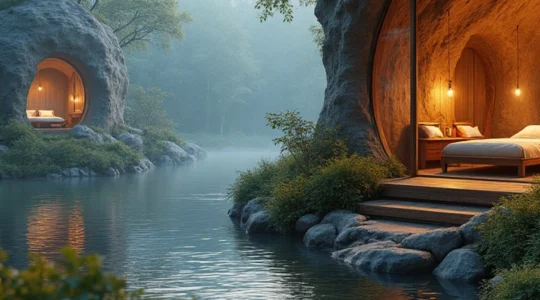
Sleep differently with the best unusual accommodation options
Traveling isn’t just about the destination; it’s about the journey and the experiences along the way. One of the most exciting ways to enhance your travel adventure is by choosing unique and unusual accommodation options. These extraordinary lodgings offer more…
Read more
Enjoy authentic stays in a charming bed and breakfast
Nestled in picturesque landscapes and historic towns, charming bed and breakfasts offer travelers a unique and intimate lodging experience. These cozy accommodations provide a perfect blend of homely comfort and local flavor, allowing guests to immerse themselves in the authentic…
Read more
Why staying in a local inn adds real character?
Discovering the heart of a destination often lies in the unique experiences offered by local accommodations. Staying in a local inn provides travelers with an authentic glimpse into the culture, history, and charm of a place that large chain hotels…
Read more
How sustainable accommodation changes the way you explore and travel
Sustainable accommodation is revolutionizing the travel industry, offering eco-conscious explorers innovative ways to minimize their environmental impact while enjoying unique and enriching experiences. From cutting-edge building materials to energy-efficient systems, these eco-friendly lodgings are reshaping how you interact with destinations…
Read more
What to expect from a traditional tourist home experience?
Embarking on a journey that involves staying in a traditional tourist home offers a unique blend of comfort, culture, and authentic local experiences. These accommodations, often referred to as bed and breakfasts, guesthouses, or homestays, provide travelers with an intimate…
Read more