Travel destinations
Choosing a travel destination is often the hardest part of planning a trip. With thousands of places competing for your attention, from bustling cities to quiet coastlines, it helps to have a clear way of thinking about what a destination actually offers and whether it matches your expectations, budget, and travel style. This page breaks down the main types of travel destinations, how to evaluate them, and how to turn a vague idea of “somewhere nice” into a concrete, well-planned trip.
What Is a Travel Destination?
A travel destination is any place people visit away from home for leisure, exploration, or personal interest. It can be as large as an entire country or as small as a single neighborhood. What defines a destination is not just its geography, but the combination of attractions, infrastructure, seasonality, and atmosphere it offers to visitors.
Thinking in these terms matters because two destinations can look similar on paper and deliver completely different experiences. A beach town with reliable transport, good healthcare, and a range of accommodation suits a first-time international traveler very differently than a remote island with limited access and few services, even if both promise “paradise” in photos.
Main Types of Travel Destinations
Most destinations fall into one or more of the following categories. Understanding these broad types helps you narrow down options before comparing specific places.
City Destinations
Cities concentrate culture, food, history, and nightlife into a walkable or well-connected area. They work well for short trips, shoulder-season travel, and travelers who enjoy museums, architecture, and urban energy. Popular examples in English-speaking countries include New York, London, Sydney, and Toronto. The trade-offs are usually higher costs, crowds, and less connection with nature.
Beach and Coastal Destinations
Coastal destinations range from developed resort areas to isolated stretches of sand. They are ideal for relaxation-focused trips and family travel, but seasonality matters enormously. A beach destination in the wrong season can mean rain, closed businesses, or dangerous swimming conditions, so checking local weather patterns is essential before booking.
Mountain and Outdoor Destinations
Regions built around hiking, skiing, climbing, or national parks appeal to travelers who prioritize landscapes and physical activity. These destinations often require more planning: gear, permits, park passes, and awareness of safety conditions. The Rocky Mountains, the Scottish Highlands, and New Zealand’s South Island are well-known examples.
Cultural and Heritage Destinations
Some places draw visitors primarily for their history, traditions, festivals, or food culture. Think of destinations like Kyoto, Rome, Oaxaca, or New Orleans. These trips reward curiosity and a bit of background reading, and they often feel richer when timed around local events rather than peak tourist seasons.
Rural and Off-the-Beaten-Path Destinations
Small towns, countryside regions, and lesser-visited areas offer lower costs, slower rhythms, and more authentic interactions. The trade-off is thinner infrastructure: fewer transport options, fewer English speakers in some regions, and simpler accommodation. These destinations suit travelers who value calm over convenience.
How to Choose the Right Destination
Rather than starting from a list of “best places,” experienced travelers usually work backwards from their own constraints and priorities. A simple process makes the decision far easier.
- Define your trip’s purpose. Relaxation, adventure, culture, family time, or a mix? A trip meant to recharge looks very different from one meant to explore.
- Set a realistic budget. Include flights, accommodation, food, activities, insurance, and a buffer for surprises. Your budget quickly narrows the field: long-haul flights and expensive cities eliminate themselves if funds are limited.
- Check the season. Research weather, peak and shoulder seasons, local holidays, and prices at your travel dates. Shoulder seasons often offer the best balance of decent weather and lower crowds.
- Assess practicalities. Visa requirements, flight duration, jet lag, language barriers, health precautions, and safety all affect how enjoyable a destination will be for you specifically.
- Match the destination to your travel style. If you need structure and comfort, choose destinations with strong tourism infrastructure. If you enjoy improvisation, more rugged destinations may suit you better.
As a rule of thumb, first-time international travelers do well with destinations that have good transport, clear signage, and a strong tourism sector, while more experienced travelers can handle places that demand flexibility.
Comparing Destinations: Key Factors to Weigh
Once you have a shortlist, comparing destinations across a few consistent criteria keeps the decision objective rather than emotional.
- Cost of living on the ground: daily expenses for food, local transport, and activities vary enormously between destinations, sometimes more than the flight price itself.
- Seasonality: the same destination can be a bargain in one month and overcrowded, expensive, or unpleasant in another.
- Accessibility: number of flight connections, visa ease, and time needed to reach the places you actually want to see.
- Safety and health: current advisories, required vaccinations, and quality of medical facilities.
- Pace and density: some travelers thrive in dense, stimulating cities; others find them exhausting. Be honest about which type you are.
- Uniqueness: what does this destination offer that others on your list do not? If you cannot answer, it may just be filling space on the list.
A useful analogy is choosing a restaurant: the menu (attractions), the price (cost), the timing (season), and the atmosphere (pace) all have to work together, not just one standout feature.
Practical Example: Two Travelers, Two Different Choices
Consider two fictional travelers with the same two-week budget. Sarah wants to disconnect, read, and swim; she should favor a coastal destination in shoulder season, where accommodation is affordable and crowds are thin. Marcus wants to see as much as possible, eat well, and walk everywhere; a compact, well-connected city with strong public transport suits him better, even at a higher daily cost. Neither choice is objectively better: the right destination is the one aligned with the traveler’s goals, not the one topping a ranking.
Common Mistakes When Picking a Destination
- Choosing a place purely because of a few striking photos, without researching what the rest of the trip will look like.
- Ignoring seasonality and arriving during monsoon, extreme heat, or a major local holiday that closes businesses.
- Underestimating distances. A country may look small on a map but involve long, tiring journeys between highlights.
- Overpacking an itinerary. Trying to see five destinations in ten days often means spending most of the trip in transit.
- Forgetting total costs. Cheap flights can lead to expensive ground transport, tourist taxes, and inflated seasonal accommodation.
Sustainable and Responsible Destination Choices
Popular destinations increasingly face pressure from overtourism, which strains local communities and ecosystems. Travelers can make a difference with a few simple habits:
- Consider secondary destinations: instead of the most famous city, choose a nearby region with similar character and fewer crowds.
- Travel in shoulder or low season to spread economic benefit across the year.
- Use local businesses for accommodation, food, and guides where practical.
- Respect local rules in natural areas: marked trails, wildlife distance, and waste regulations exist for good reasons.
Planning Tools and Reliable Sources of Information
Good decisions come from good information. Cross-check at least a few independent sources before committing:
- Official tourism boards for accurate, up-to-date practical information.
- Government travel advisories for safety and entry requirements.
- Recent traveler reviews and forums for ground-level reality checks on prices, transport, and crowds.
- Weather archives rather than forecasts, since long-term patterns matter more for planning than a forecast made months ahead.
Final Thoughts
A great trip rarely comes from picking the “best” destination in the abstract; it comes from matching a place to your goals, budget, timing, and comfort level. Define what you want from the trip, filter options through practical realities, compare a shortlist honestly, and then commit with confidence. The world offers far more suitable destinations than any of us can visit in a lifetime, which means the real skill is not finding the perfect place, but choosing well among many good ones.

Travel to Spain and experience the vibrant spirit of the mediterranean
Spain’s Mediterranean coastline beckons travelers with its intoxicating blend of sun-soaked beaches, rich cultural heritage, and mouthwatering cuisine. From the rugged cliffs of Costa Brava to the golden shores of Costa del Sol, this vibrant country offers a tapestry of…
Read more
Travel to Brazil for an unforgettable cultural and natural adventure
Brazil, a country of unparalleled diversity and vibrancy, beckons travelers with its rich tapestry of experiences. From the lush Amazon rainforest to the pulsating rhythms of Rio de Janeiro, this South American giant offers a journey that engages all senses….
Read more
The complete guide to travel to Thailand safely and affordably
Thailand’s vibrant culture, stunning beaches, and delicious cuisine make it a top destination for travelers seeking adventure on a budget. From the bustling streets of Bangkok to the serene islands of the Andaman Sea, Thailand offers a diverse range of…
Read more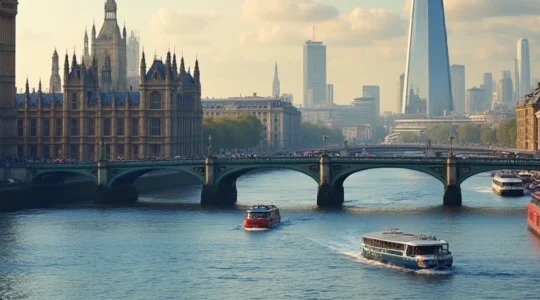
Discover London through history, innovation, and timeless elegance
London, a city where centuries of history intertwine with cutting-edge innovation, stands as a testament to human ingenuity and cultural richness. This sprawling metropolis, nestled along the banks of the River Thames, has been a crucible of ideas, art, and…
Read more
A colorful journey awaits when you travel to Morocco
Morocco, a land of vibrant contrasts and rich cultural tapestry, beckons travelers with its kaleidoscope of experiences. From the bustling medinas to the serene Sahara, this North African gem offers a sensory feast that captivates the imagination. The country’s diverse…
Read more
Safari in South Africa: A thrilling adventure through nature’s heart
South Africa’s diverse landscapes and rich wildlife offer an unparalleled safari experience that captivates nature enthusiasts and adventure seekers alike. From the iconic Kruger National Park to the marine wonders along the Garden Route, this country presents a tapestry of…
Read more