Transport and mobility
Getting from point A to point B is one of the most important parts of any trip, yet it is often the aspect travelers think about the least until they arrive somewhere new. Whether you are planning a weekend city break, a cross-country road trip, or an international adventure, understanding your transport and mobility options helps you save money, travel more sustainably, and avoid unnecessary stress. This pillar page breaks down the main ways to get around, how to choose between them, and what to keep in mind before you go.
Why Transport Choices Shape Your Entire Trip
The way you move around a destination affects far more than just your schedule. It influences your budget, your carbon footprint, how much of a place you actually see, and even how rested you feel at the end of each day. A traveler who relies on high-speed rail in Europe will have a very different experience from one navigating rural roads in a rental car.
Think of transport as the skeleton of your itinerary. Every activity, accommodation choice, and meal stop hangs on how easy it is to reach. Choosing the right mix of transport options early in the planning process makes everything else fall into place more naturally.
Public Transportation: The Backbone of Urban Travel
In most major cities around the world, public transit is the fastest and most affordable way to get around. Metro systems, buses, trams, and light rail networks are designed to move large numbers of people efficiently, and they often reach neighborhoods that would be difficult or expensive to access by car.
Advantages of Public Transit
- Very low cost compared to taxis or rental cars
- No parking worries, which is a major benefit in dense city centers
- Freedom from navigating unfamiliar roads or interpreting local traffic rules
- A more authentic glimpse of daily local life
Practical Tips for Using Transit Abroad
- Download the local transit app before you arrive, as many cities offer real-time schedules and journey planners.
- Look into multi-day or tourist passes, which often pay for themselves after just a few rides.
- Check whether contactless bank cards or mobile wallets are accepted directly at gates, as this is increasingly common in cities like London, New York, and Singapore.
- Keep small change handy in destinations where tickets must be purchased in cash from drivers or kiosks.
Rental Cars and Road Trips: Freedom With Responsibilities
Renting a vehicle gives you unmatched flexibility, especially in rural areas, national parks, and regions with limited public transport. A family exploring the national parks of the American Southwest, for example, would find a rental car almost essential, as distances between attractions are long and buses are sparse.
That freedom comes with responsibilities. Before booking, factor in the full cost, not just the daily rate. Insurance, fuel, tolls, parking fees, and young driver surcharges can add up quickly. Also verify the driving licence requirements of your destination, since some countries require an international driving permit in addition to your home licence.
Checklist Before You Drive Off
- Inspect the vehicle and photograph any existing damage
- Confirm the fuel policy, such as full-to-full versus prepaid
- Understand local road rules, including which side of the road to drive on
- Save emergency and roadside assistance numbers
- Plan parking in advance for cities, where spaces are scarce and costly
Ridesharing, Taxis, and Ride-Hailing Apps
Ride-hailing services have transformed short-distance travel in many countries, offering transparent pricing and cashless payment through a single app. They are particularly useful for airport transfers, late-night journeys, and destinations where you do not speak the local language. Traditional taxis remain reliable in many places too, and in some cities they are the only option, as ride-hailing apps may be restricted or unavailable.
A good rule of thumb: compare the app estimate with a rough taxi fare, and at airports always use official taxi ranks or licensed operators rather than unmarked vehicles offering rides.
Trains, Coaches, and Long-Distance Buses
For journeys between cities and regions, trains and long-distance coaches offer an attractive middle ground between flying and driving. Rail travel is often faster door to door for trips under a few hundred miles, since stations sit in city centers and check-in times are minimal. High-speed networks in Europe, Japan, and parts of Asia make rail a genuinely competitive alternative to short-haul flights.
Intercity coaches are usually the most budget-friendly option. While journeys take longer, modern buses frequently include Wi-Fi, power outlets, and comfortable seating, making overnight routes a way to save on a night of accommodation.
- Trains: best for speed, comfort, and scenic routes
- Coaches: best for tight budgets and flexible, walk-up travel
- Domestic flights: best for very long distances or island hopping
Air Travel Within and Between Countries
Even within a single country, flying sometimes makes sense, particularly across large geographies such as the United States, Canada, or Australia. When booking regional flights, watch for baggage fees, airport locations that may be far from the city they serve, and tight connection times. Booking direct with airlines and checking in online reduces the risk of surprises at the airport.
Active and Micro-Mobility: Walking, Cycling, and Scooters
Some of the best travel experiences happen at walking pace. Walking is free, sustainable, and reveals details you would otherwise miss from a window. Many cities now support cycling with dedicated lanes and bike-share schemes, while electric scooters are available for short hops in hundreds of urban areas worldwide.
Before renting a bike or scooter, check local regulations. Helmet requirements, where you may ride, and where you must park vary considerably from one city to another, and fines can apply.
Sustainable Mobility: Traveling With a Lighter Footprint
More travelers are considering the environmental impact of how they move. Sustainable mobility does not mean sacrificing convenience; it means matching the most efficient mode to each journey.
- Choose rail over short-haul flights wherever a direct train exists.
- Use public transit or active transport for urban exploration.
- If driving is necessary, consider carpooling or an electric rental where available.
- Combine errands and sightseeing geographically to reduce unnecessary trips.
How to Choose the Right Mode for Each Journey
There is no single best transport option, only the best option for a specific trip. Ask yourself a few questions before deciding:
- How far am I going, and how much luggage am I carrying?
- Is my priority cost, speed, comfort, or flexibility?
- How reliable is public transport at my destination?
- Will I need a vehicle once I arrive, or only to get there?
A practical example: a traveler spending four days in Amsterdam is best served by arriving by train and getting around on foot and by bike. The same traveler heading to the Scottish Highlands would likely rent a car, since rural transport links are limited. Matching the mode to the journey is the core skill of smart travel mobility.
Final Thoughts on Getting Around With Confidence
Transport and mobility are not just logistics; they are part of the experience of travel. A scenic train ride, a winding coastal drive, or a shared bus with locals can become a highlight in its own right. By understanding the strengths of each option, planning the mix that suits your itinerary, and staying flexible when plans change, you will move through the world with greater confidence, lower costs, and a lighter footprint. The journey, as the saying goes, is genuinely part of the destination.
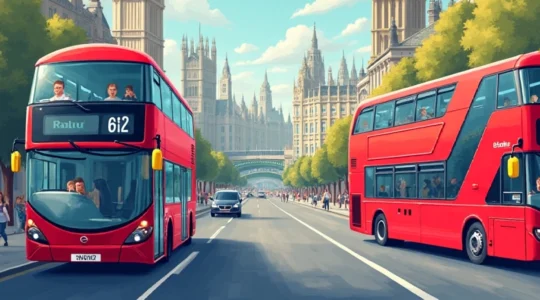
Make the most of your time on London hop-on hop-off bus tours
Exploring London’s iconic landmarks and vibrant neighborhoods can be an exhilarating yet daunting task for visitors. With so much to see and do, efficient navigation becomes crucial to maximizing your time in this historic metropolis. London hop-on hop-off bus tours…
Lire la suite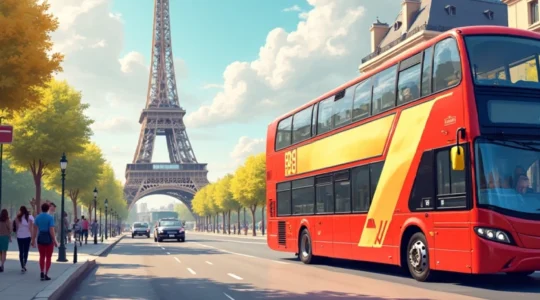
Why hop-on hop-off Paris is perfect for first-time visitors?
Paris, the City of Light, captivates visitors with its iconic landmarks, rich history, and vibrant culture. For first-time visitors, navigating this bustling metropolis can be overwhelming. Enter the hop-on hop-off bus tours – a convenient and efficient way to explore…
Lire la suite
Save time and money using local transport options
In today’s fast-paced urban environments, efficient and cost-effective transportation is crucial for both daily commuters and occasional travelers. Local transport options offer a myriad of benefits, from reducing travel expenses to minimizing environmental impact. By understanding and utilizing the various…
Lire la suite
Discover new cities through soft mobility experiences
Urban exploration has taken on a new dimension with the rise of soft mobility options. These eco-friendly, efficient, and often exhilarating modes of transport are reshaping how travelers and locals alike experience cities. From electric scooters zipping through bustling streets…
Lire la suite
Bike hire: your passport to everyday urban adventure
Urban mobility is undergoing a revolution, and at its forefront stands the humble bicycle. Bike hire systems have emerged as a game-changer in city transportation, offering residents and visitors alike a sustainable, efficient, and enjoyable way to navigate urban landscapes….
Lire la suite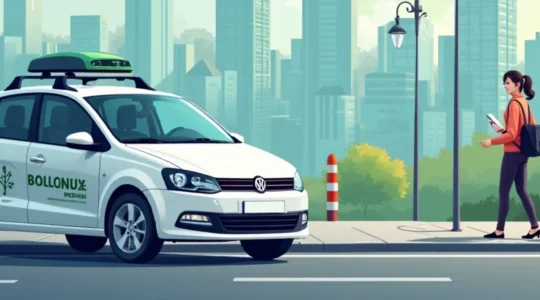
Reduce your footprint by choosing car sharing
As urban populations grow and environmental concerns intensify, car sharing emerges as a sustainable solution to reduce our carbon footprint. This innovative approach to transportation not only addresses congestion and pollution but also offers economic benefits to individuals and communities….
Lire la suite