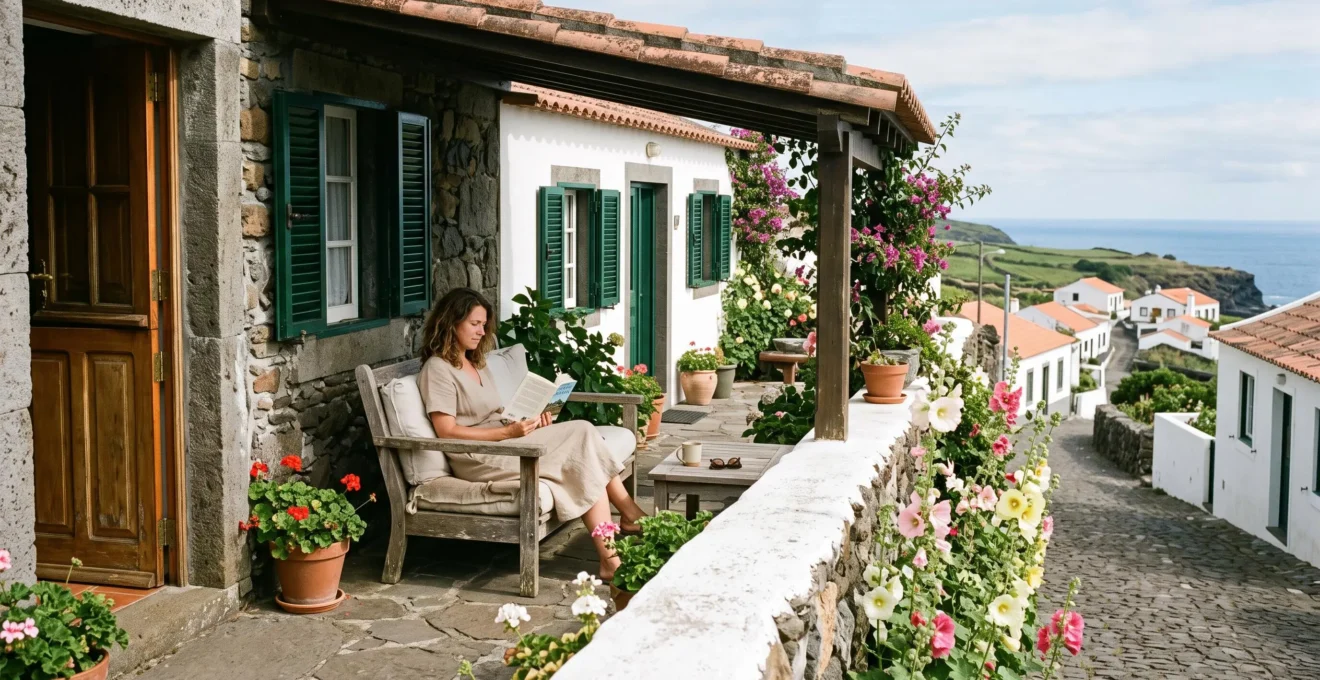
Privacy is the ultimate luxury on an Île de Ré holiday because it is the hardest thing to “add on” once peak season arrives. You can often find polished interiors or good restaurants in many seaside places; finding real quiet and discretion takes better choices about location, layout, timing, and how busy an area truly gets.
For travellers who worry about summer crowds, the good news is practical: even in July–August, a calmer island rhythm is achievable, as long as “quiet” is treated as something to assess—rather than a promise to trust. The goal is not to chase an unreal silence, but to book a stay where privacy is protected by tangible factors.
How to judge real privacy on Île de Ré before you book
- Location: prioritise villages away from the busiest ports and day-trip hubs.
- Property layout: look for private outdoor space, limited shared areas, and sound separation.
- Season and week structure: shoulder seasons and mid-week patterns often feel calmer than weekend peaks.
- Local footfall: check whether the immediate area attracts car parks, markets, or major beach access points.
Why Is Privacy the Ultimate Luxury on an Île de Ré Holiday?
Direct answer: Privacy is the real luxury on Île de Ré because the island’s appeal is understated, and in summer the scarcest “amenity” is space—quiet lanes, a discreet terrace, and the sense of not being surrounded by other holidaymakers.
Many people arrive after trying busier seaside destinations where the holiday experience is shaped by queues, noise, and the feeling of being on display. Île de Ré tends to reward the opposite approach: slower mornings, cycling instead of driving, and accommodation that blends into village life rather than dominating it.
The tension is that “quiet” is easy to market and harder to deliver. A listing can claim tranquillity while being steps from a busy beach access point, a popular market route, or a lively harbour. Treat privacy as a verifiable feature—something you can test through maps, layout details, and realistic timing—rather than a vibe.
If you’re comparing discreet island stays and want inspiration beyond the busiest resort patterns, this guide to remote islands can help frame what “escape” really means in practice: scenery, culture, and breathing space.
On Île de Ré specifically, a simple grid works well: location (village and immediate surroundings), property layout (how much is shared), season (when you travel), and footfall (how many people pass by each day). The next sections translate each of these into booking decisions.
How the Island Keeps Mass Tourism at Bay
Île de Ré does not “avoid” tourism—summer is busy—but several local constraints help preserve a human scale. One of the clearest is planning control: the island is covered by an intercommunal planning framework (PLUi), and building is regulated through formal applications at the town hall level.
For a concrete example of how these rules work, the Communauté de Communes de l’Île de Ré explains in its official document that some buildable sectors were removed in line with the modification du PLUi et loi Littoral, including the principle that the Loi Littoral prohibits development “in discontinuité de l’urbanisation”. The practical impact for visitors: fewer large, sprawling new developments compared with overbuilt coastal resorts.
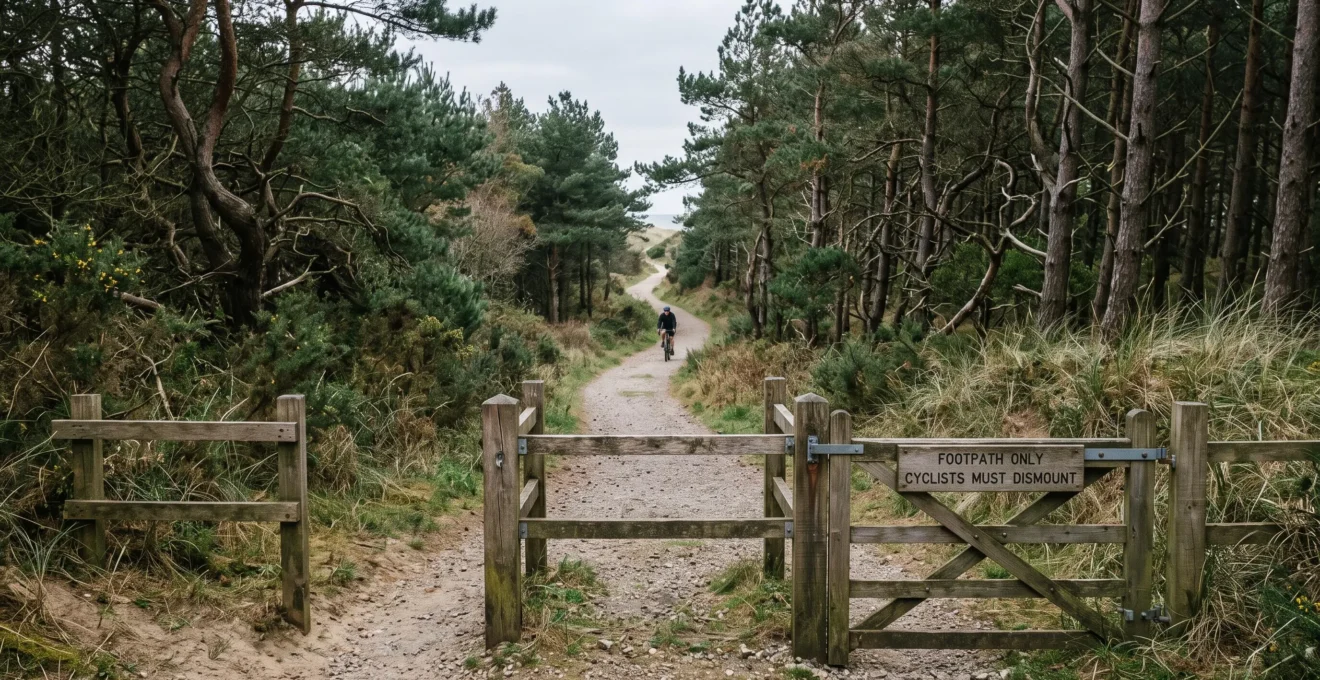
Another factor is rhythm. The island’s atmosphere can change sharply by week and by day: mid-week mornings feel different from Saturday changeover traffic, and September can feel fundamentally calmer than August. Privacy, here, is often about choosing the right window as much as the right address.
It also helps to keep expectations honest with recent context. Destination Île de Ré reported 271,893 visitors in tourist reception offices in 2024 (down 9.6% vs 2023), as relayed in a bilan de fréquentation touristique 2024. This figure does not measure everyone on the island, but it usefully signals that visitor flows are tracked—and that perceived crowding can vary year to year and by period.
Finally, the “gentle pace” is also behavioural. Even without claiming any single defining infrastructure fact, it is fair to say the island is widely experienced through short distances, village centres, and outdoor routes—patterns that can reduce the sense of being trapped in traffic and make it easier to step aside from the busiest pockets.
Where to Stay for Genuine Peace and Seclusion
The question to ask is not “Does this place call itself quiet?” but “What, exactly, protects privacy here?” On Île de Ré, genuinely secluded accommodation usually has clear, checkable signals: limited shared spaces, private outdoor areas that aren’t overlooked, and an address that is not on a direct line between major parking and a headline beach or harbour.
How do you know an accommodation is genuinely secluded?
Look for details you can verify without taking anyone’s word for it. Photos, maps, and house rules often reveal more than adjectives like “peaceful” or “hidden gem”. If an owner or host answers direct questions precisely, that’s usually a better sign than broad reassurance.
- Immediate surroundings: check if the property backs onto a through-road, a market square, a popular cycle route pinch point, or a beach access car park.
- Outdoor privacy: prefer terraces or gardens screened by walls/vegetation, not shared lawns or balconies facing other units.
- Shared areas: fewer communal zones generally means fewer unavoidable interactions (and less noise).
- Entry and circulation: a discreet entrance and limited corridors reduce the “hotel hallway” effect.
Which areas tend to feel quieter?
Without pretending any village is crowd-proof in August, calm is often easier to find away from the most intensively visited harbour fronts and the most obvious day-trip itineraries. Many travellers find that smaller village settings, edges of marshland, and inland lanes offer a more private feel than staying right on the busiest waterfront.
One useful source for understanding how tightly development is managed at commune level is the municipality information on planning procedures—Loix notes that “Pour toute construction… une demande d’urbanisme doit être déposée en mairie”, within the framework of the PLUi (see the Mairie de Loix page on démarches d’urbanisme à Loix). This doesn’t tell you where crowds will be, but it does support the broader reality: the island’s built environment is actively controlled, which can help preserve the low-key character many visitors come for.
Reality check for August: if the budget allows only one upgrade, prioritise location and layout over “extras”. A smaller, well-positioned stay with true separation often feels more luxurious than a larger place that sits in the middle of constant footfall.
| Criterion | Often feels more private | Often feels less private |
|---|---|---|
| Micro-location | Set back from main routes; not next to a major access point | On a direct route to beaches/harbours; near large car parks |
| Outdoor space | Walled/screened terrace or garden; not overlooked | Shared lawn; balcony facing other rooms/units |
| Shared areas | Few or no communal zones; limited room count | Large shared lounges/pools; many rooms |
| Noise buffers | Thick walls, separated bedrooms, clear quiet hours | Bedrooms on shared corridors; thin partitions |
| Arrival/departure patterns | Flexible or staggered where possible | Mass changeovers concentrated on the same day/time |
A simple way to picture the difference is a hypothetical comparison: a large hotel-style building beside a busy port can be comfortable yet exposed to steady noise and pedestrian flow, while a discreet chambres d’hôtes in a village lane may offer fewer facilities but more of what privacy actually means—distance, separation, and the ability to disappear into your day.
Quieter Corners and Moments Worth Seeking Out
To find the quietest spots on Île de Ré, think in terms of edges and timing: edges of marshland, less central stretches of coast, and the hours when day-trippers have not yet arrived—or have already left. The island can feel radically different at 8am compared with mid-afternoon.
Where can you go when beaches and harbours feel crowded?
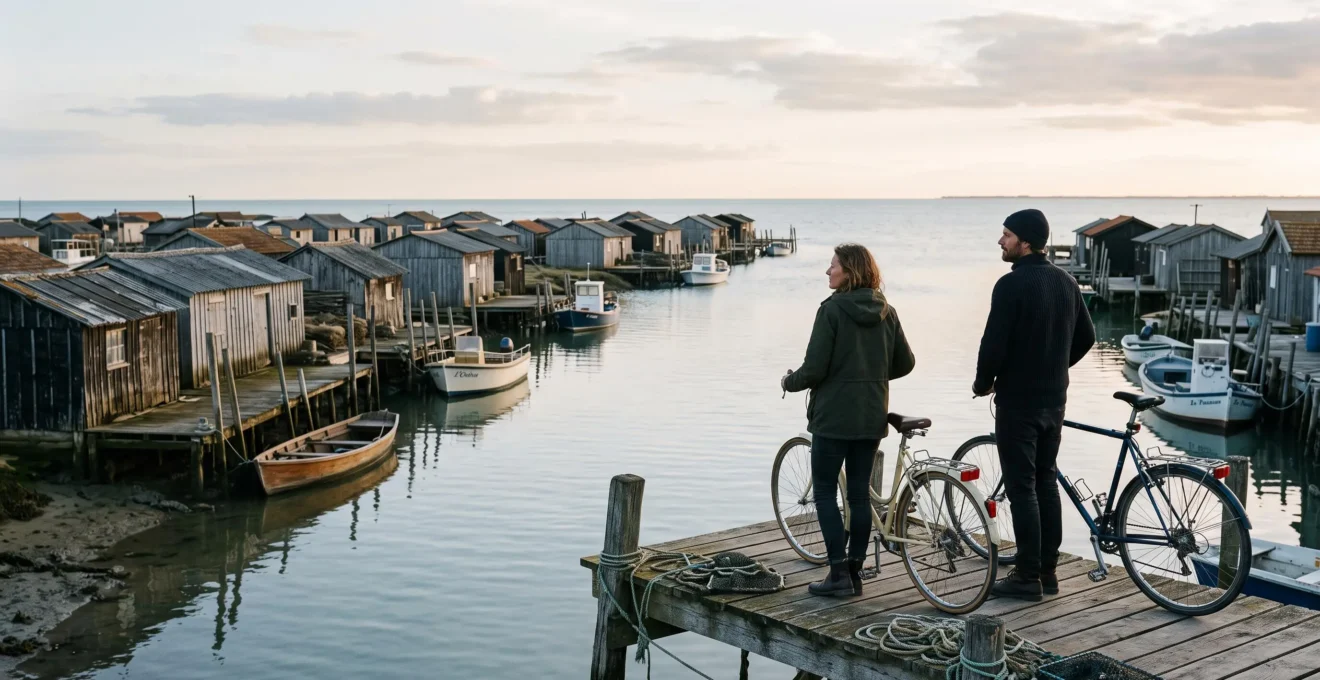
When the headline beaches are busy, privacy is often found by swapping “iconic” for “in-between”: inland lanes, salt marsh paths, and quieter corners where the journey itself filters numbers. If a place is accessible mainly by cycling or on foot, it often stays calmer than areas built around large parking access.
Quiet also comes from choosing activities that don’t funnel everyone to the same place at the same time. Cycling a back route, taking a slower coastal walk, or visiting a smaller market early can create a day that feels personal even in a popular month.
Is it possible to find real peace in high season?
Yes—if “peace” is defined realistically. High season brings fuller roads and popular villages, but privacy is still achievable through early starts, choosing less central micro-locations, and planning around peak movement patterns (weekends and changeover days tend to feel more intense than quiet mid-week pockets).
A practical day plan that often works in summer is: an early market visit before the busiest flow, a late-morning cycle through inland lanes or vineyard edges, a long lunch away from the harbour front, then a sunset walk on a less central stretch of coast. The point is not secret “hidden gems”, but predictable calm created by timing.
Is an Île de Ré Escape Right for You?
Île de Ré is a strong match for travellers who value discretion, gentle daily routines, and understated places over big-resort energy. If privacy on an Île de Ré holiday is the priority, the island rewards people who are happy to trade immediate proximity to the busiest harbours for quieter lanes and a more local pace.
Two quick self-checks: a couple (or solo traveller) seeking rest, reading time, and long cycle days will usually benefit from the island’s low-key character. A family looking for large, on-site facilities and constant entertainment may still enjoy Île de Ré, but should expect busier hubs in summer and plan carefully to avoid frustration.
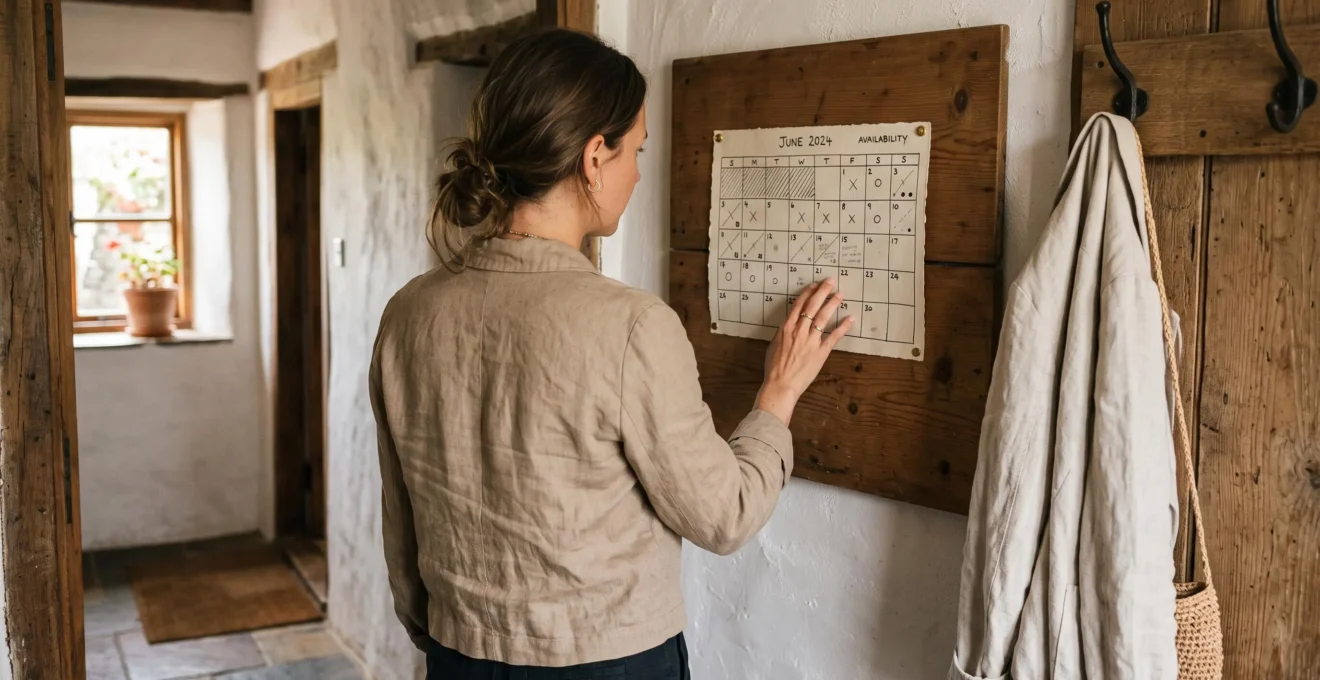
If the main fear is paying a premium and still feeling surrounded, focus the shortlist on what you can confirm: exact setting, how people circulate around the property, and whether outdoor space is genuinely yours. In other words, treat “quiet” as a checklist—then book the option that wins on the fundamentals.
Where can we stay without being surrounded by tourists?
Look for accommodation set back from the busiest ports, main beach access points, and large car parks. Privacy is often better in smaller village settings and in properties with screened outdoor areas and limited shared spaces. Maps and street-level photos (where available) help confirm whether the immediate surroundings are a through-route or a quieter lane.
How do I know an accommodation is genuinely secluded?
Favour verifiable signals over descriptive claims: private, non-overlooked outdoor space; fewer communal areas; clear separation between rooms; and an address away from high-footfall routes. When in doubt, ask direct questions about noise sources, neighbouring buildings, and whether outdoor areas are shared.
Is Île de Ré too touristy?
The island is popular, and July–August can be busy in key hubs. What makes the difference is micro-location and timing: it is possible to feel sheltered from crowds by choosing quieter lanes, starting days early, and avoiding the most obvious pinch points at peak hours. Treat the island as a place with busy pockets rather than a uniformly crowded destination.
What are the best times of day to avoid the crowds in summer?
Early mornings and evenings often feel calmer than mid-afternoon peaks, especially near harbours and the most accessible beaches. Mid-week can also feel less pressured than weekends, depending on changeover patterns and day-trip flows.
On Île de Ré, the rarest form of luxury is not what can be displayed—it is what can be protected: space, calm, and the ability to live at your own pace. Use the four-part grid (location, layout, season, footfall) and privacy becomes a decision you can make with confidence, even in summer.